

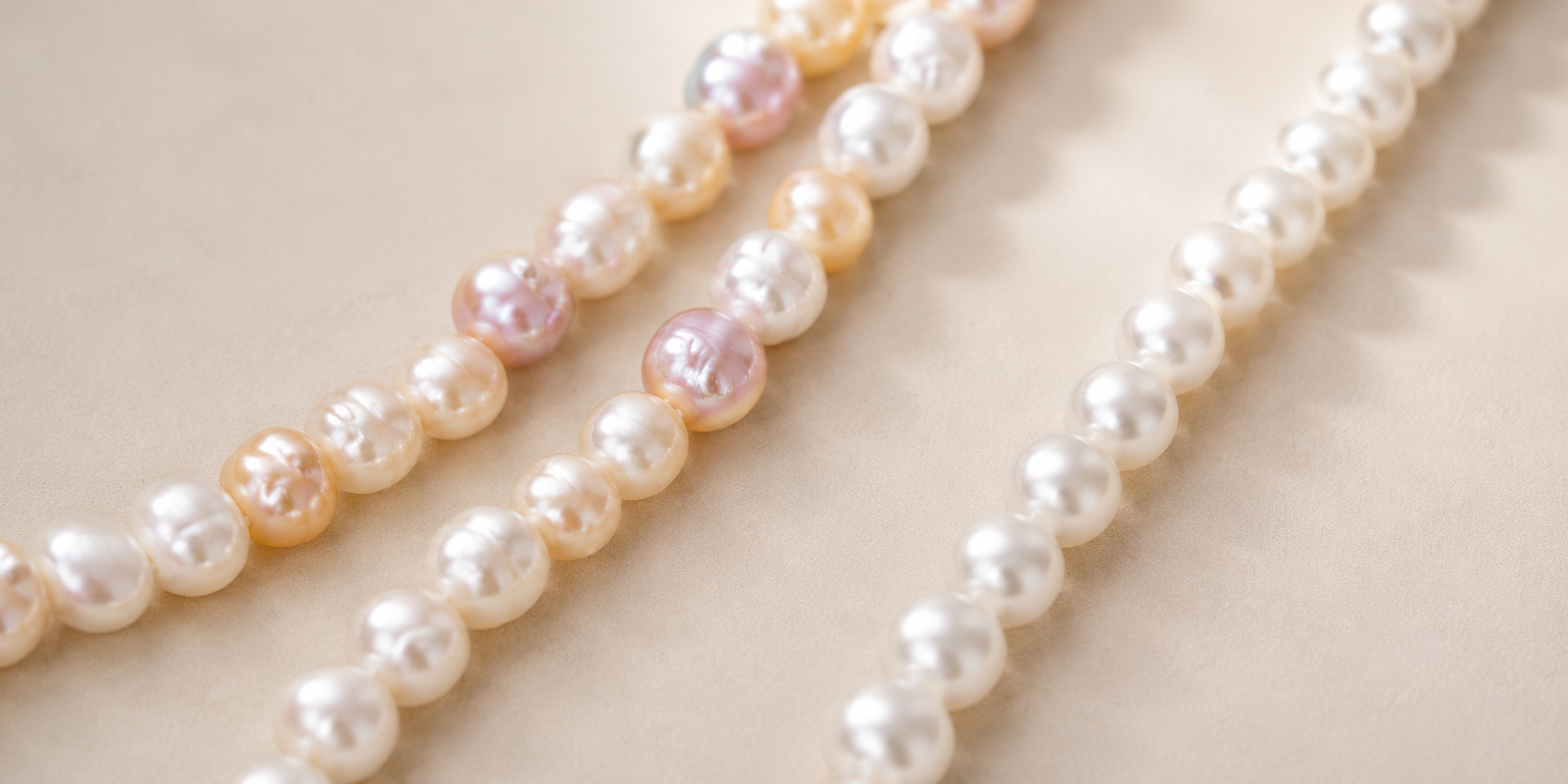
If you have ever seen an affordable pearl necklace online and wondered, “Are freshwater pearls real?”, you are not alone.
The simple answer is yes—cultured freshwater pearls are real pearls.
They are formed inside living mollusks and develop layers of nacre, the luminous material responsible for a pearl’s soft glow. Human involvement begins the cultivation process, but the pearl itself is still created by the mollusk.
That makes cultured freshwater pearls very different from imitation pearls, which are manufactured from materials such as glass, plastic or coated beads.
Understanding this difference can help you shop with more confidence, recognize misleading descriptions and choose pearl jewelry that offers genuine beauty rather than an artificial look.
What Does “Real Pearl” Actually Mean?
The word “real” can become confusing because pearl jewelry generally falls into three different categories.
Natural Pearls
Natural pearls form inside a mollusk without intentional human intervention.
They are extremely rare, and most natural pearls sold as valuable gemstones require professional identification. They are not the type of pearl normally found in accessible everyday jewelry.
Cultured Pearls
Cultured pearls also form inside living mollusks, but people carefully initiate the process.
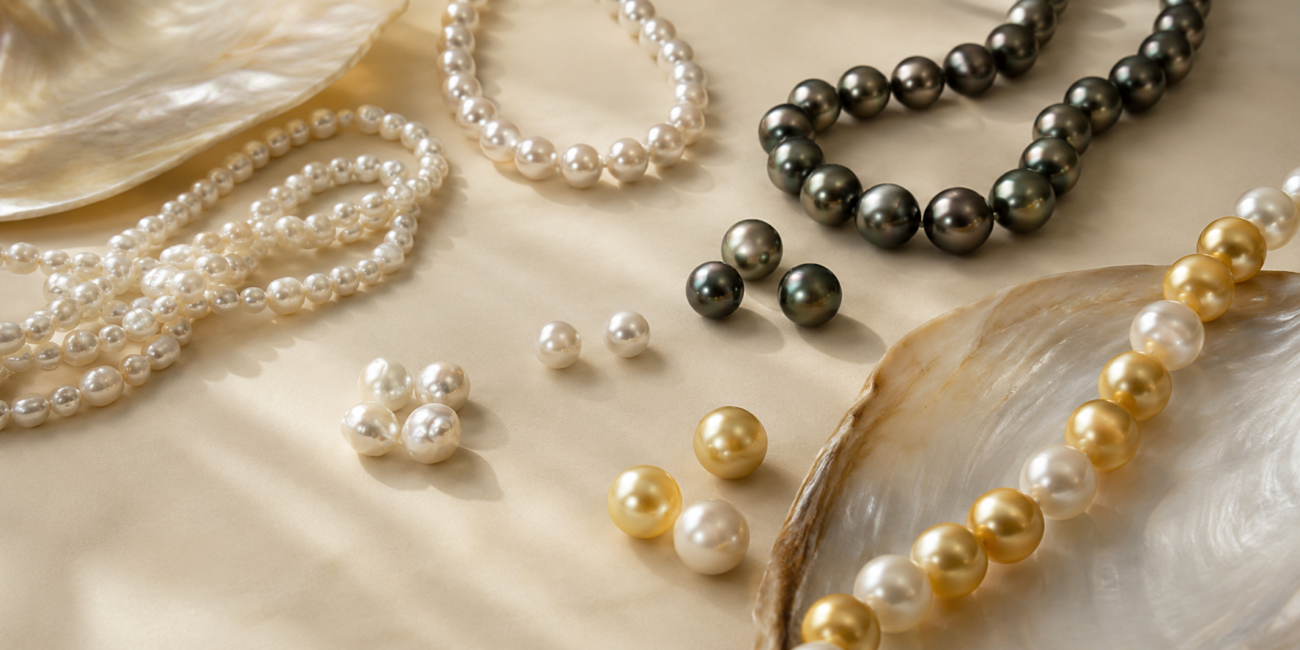
The mollusk then builds the pearl by depositing layers of nacre over time. Freshwater, Akoya, Tahitian and South Sea pearls sold today are commonly cultured pearls.
According to GIA, cultured pearls are real pearls; the distinction describes how the pearl-forming process began, not whether the final pearl is genuine.
So, are freshwater pearls real even though people begin the cultivation process? Yes—the mollusk still forms the pearl and gradually builds its layers of nacre.
Imitation Pearls
Imitation pearls do not grow inside a mollusk.
They are manufactured to resemble pearls and may be made from glass, plastic, shell material or other beads covered with a pearlescent coating.
They can look attractive, but they should not be described or sold as cultured freshwater pearls. The FTC advises jewelry sellers to distinguish clearly between cultured pearls and imitation pearls so consumers understand what they are buying.
How Are Freshwater Cultured Pearls Formed?
Freshwater cultured pearls are usually grown in freshwater lakes, rivers or ponds.
A trained pearl farmer carefully introduces mantle tissue, and in some modern cultivation methods a nucleus, into a freshwater mollusk. In response, the mollusk gradually deposits nacre around the introduced material.
This process takes time and is influenced by the health of the mollusk, water conditions, cultivation method and length of growth.
Freshwater cultured pearls are known for their wide range of:
- Sizes
- Shapes
- Natural surface characteristics
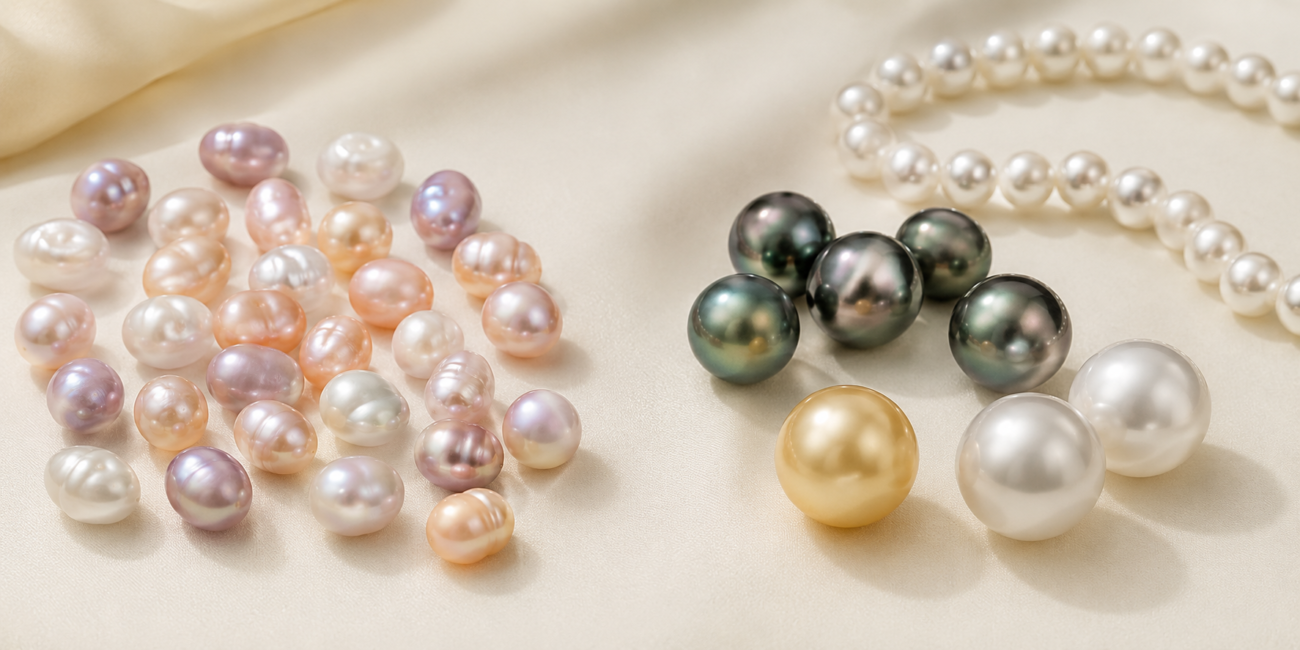
- White, cream, pink and lavender tones
- Round, near-round, oval and baroque forms
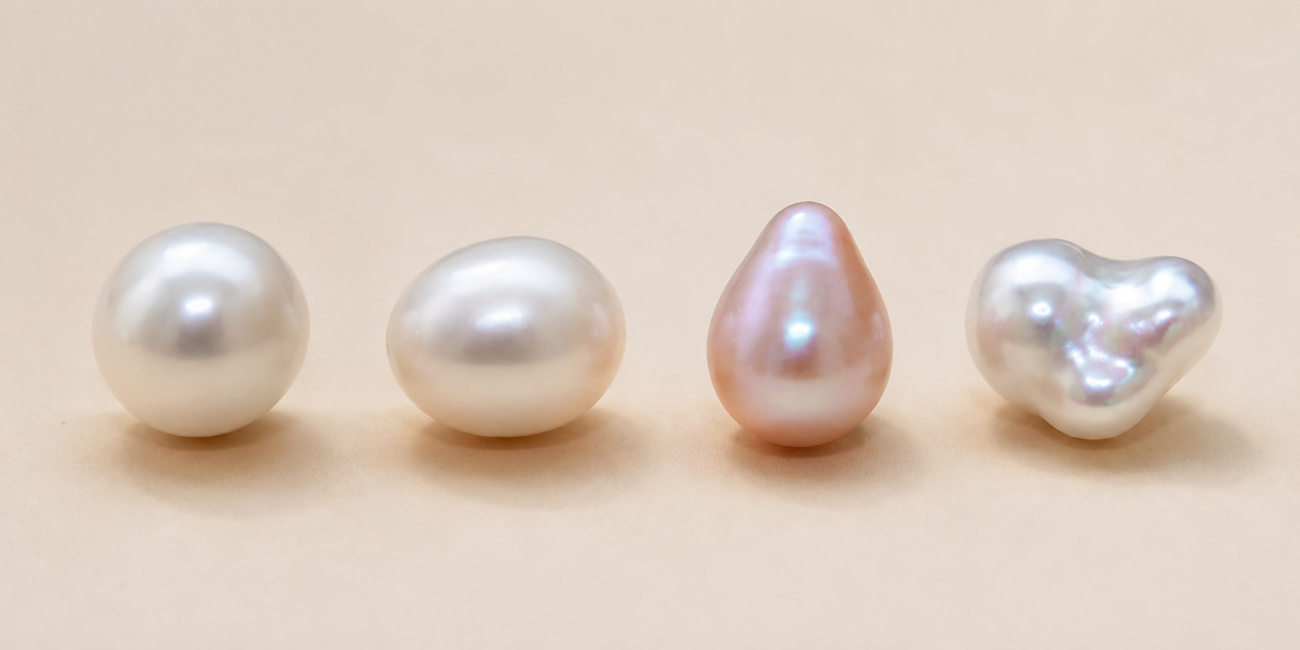
GIA describes freshwater cultured pearls as one of the most commonly produced and popular pearl types. Their broader availability and variety allow them to be offered at more accessible prices than many saltwater pearl varieties.
Why Are Freshwater Pearls More Affordable If They Are Real?
Some shoppers ask, “Are freshwater pearls real if they cost less than saltwater pearls?” The answer is still yes. Their accessibility is mainly related to cultivation methods and greater availability, not because they are imitation beads.
A lower price does not automatically mean a pearl is fake.
Freshwater cultured pearls are generally more available than rare natural pearls and some saltwater cultured pearls. Freshwater mollusks may also produce multiple pearls during a cultivation cycle, which increases overall supply.
Their affordability makes them especially suitable for:
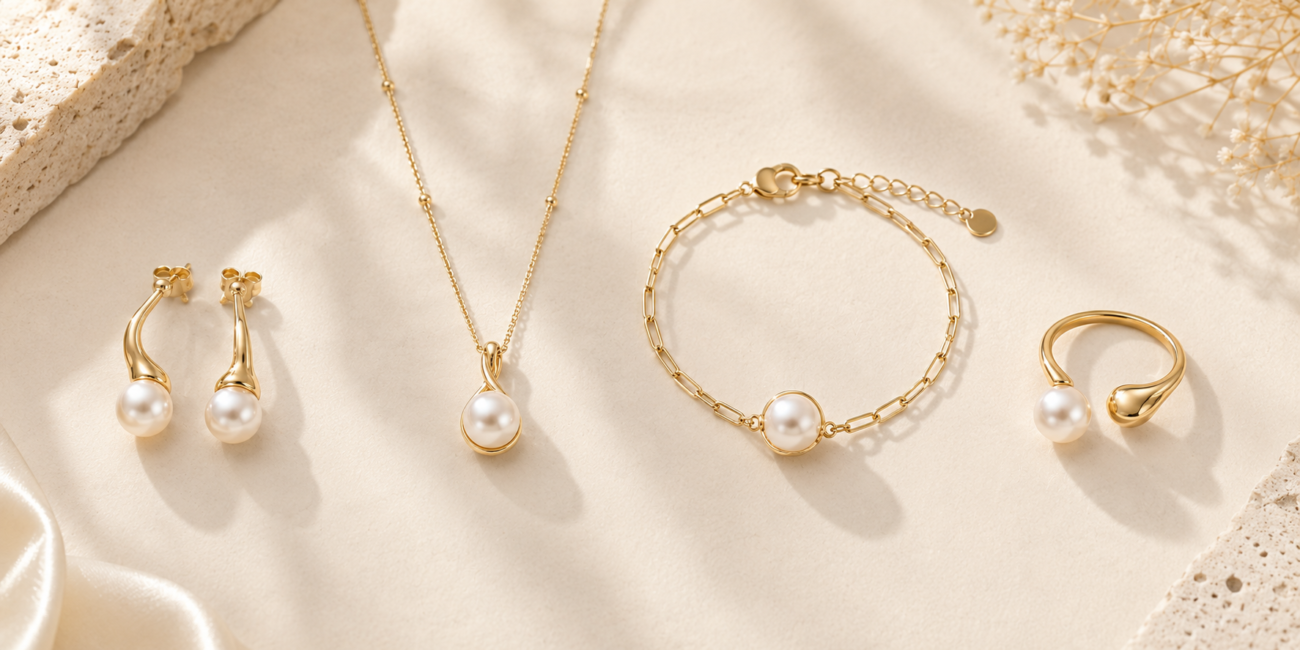
- Everyday pearl earrings
- Modern pearl necklaces
- Adjustable pearl rings
- Layered pearl bracelets
- Bridesmaid and birthday gifts
- Meaningful self-gifts
Price is also affected by quality.
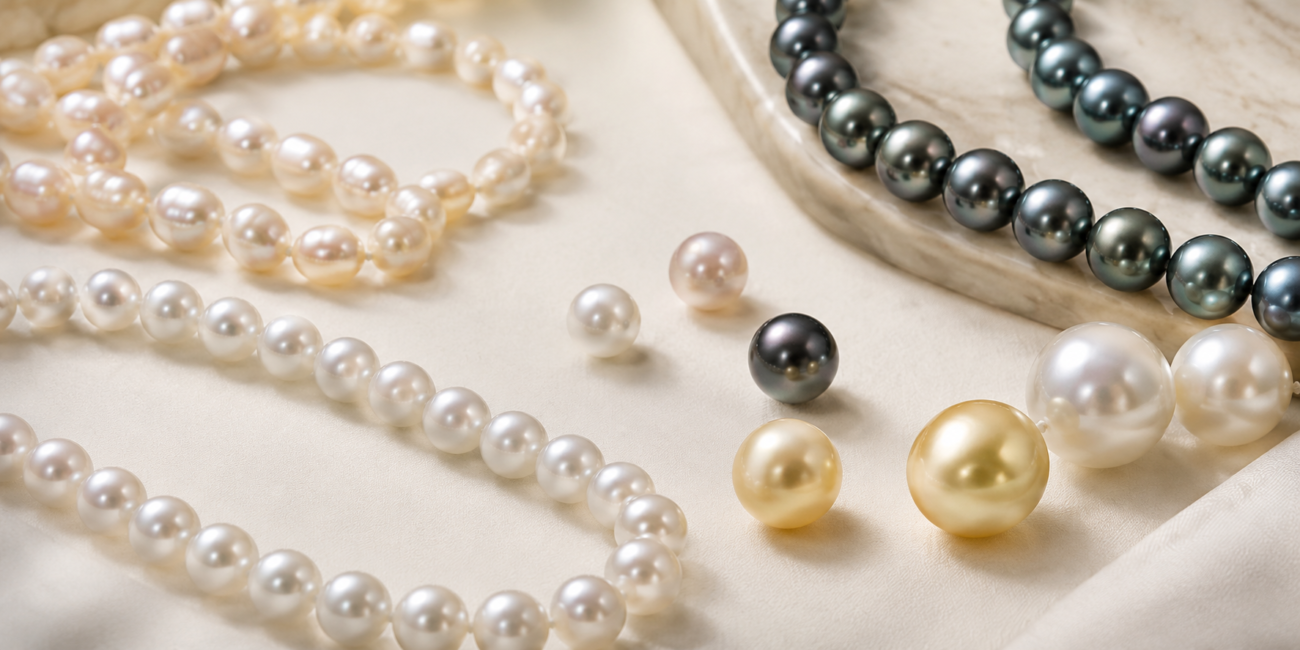
Two genuine freshwater pearls can have very different values depending on their luster, shape, size, surface, nacre and overall matching. A smaller pearl with bright, deep luster may be more desirable than a larger pearl with a dull or chalky surface.
For a more detailed explanation, read our real pearl jewelry price guide.
Internal link: Link “real pearl jewelry price guide” to
How Much Should Real Pearl Jewelry Cost? A Practical Price Guide for Buyers
How to Tell If Pearls Are Real
No single at-home test can guarantee that a pearl is genuine.
Professional laboratories use visual examination and advanced equipment. GIA explains that microradiography is a reliable, nondestructive method for examining the internal structure of pearls and distinguishing natural from cultured formation.
However, there are several details consumers can examine before buying.
1. Look for Depth in the Luster
Real pearls usually display more than a flat surface shine.
When light moves across a genuine pearl, the reflection may appear to come from within the nacre rather than sitting only on top of the surface. High-quality luster produces brighter, sharper reflections, while lower-quality pearls may appear softer or hazier.
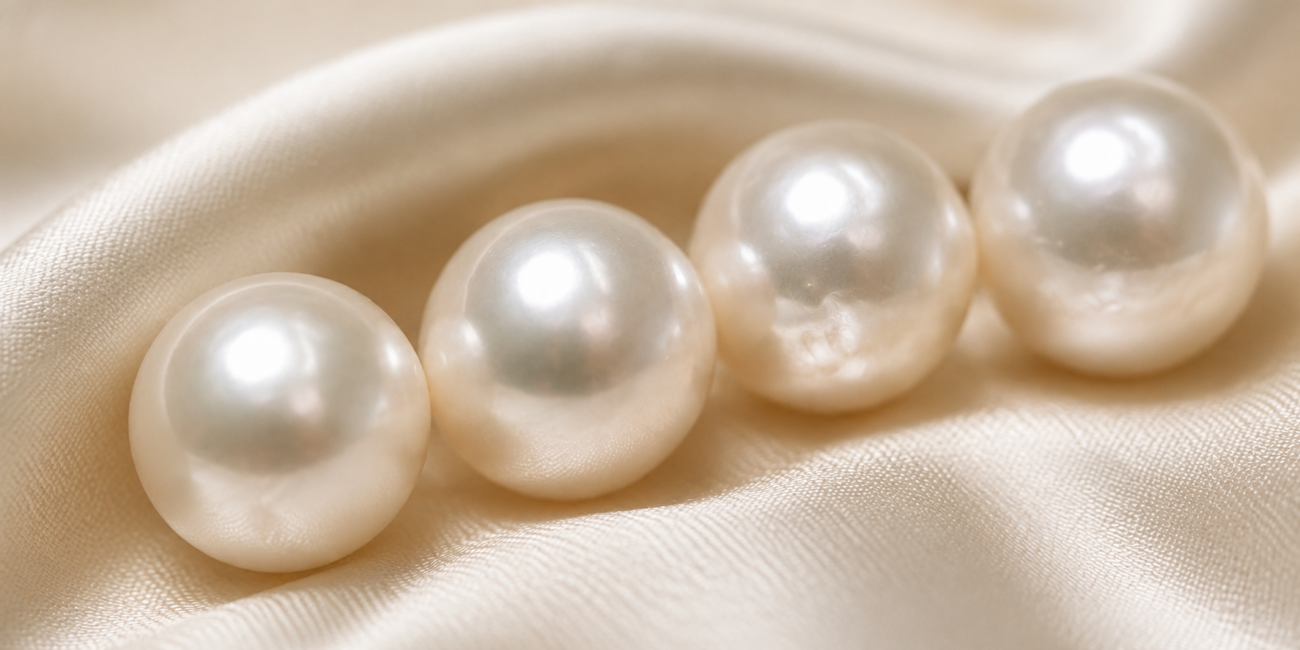
Imitation pearls often have a more uniform, painted or glass-like appearance.
Luster is one of the most important pearl value factors recognized by GIA.
2. Expect Small Natural Differences
Real freshwater pearls are organic gems.
Even when pearls are carefully matched, slight differences may remain in:
- Shape
- Surface texture
- Overtone
- Size
- Reflection
- Natural growth markings
These differences do not automatically indicate poor quality. In many designs, they are part of what makes each pearl feel individual.
At the same time, imperfections alone do not prove authenticity. Manufacturers can intentionally create irregular imitation beads, so natural variation should be considered together with the seller’s description, materials and reputation.
3. Examine the Surface Carefully
Most real pearls are not perfectly flawless.
You may notice a tiny ridge, shallow pit, soft wrinkle or subtle variation beneath the surface. Severe cracks or damage can reduce quality, but minor characteristics are normal in many cultured pearls.
GIA includes surface quality as one of the seven major factors used to describe pearl quality.
4. Check the Drill Holes and Settings
On drilled pearl jewelry, examine the area around each hole.
A thick, peeling surface coating can be a warning sign of an imitation bead. Real pearls should not reveal a plastic interior beneath a painted outer layer.
However, damaged real pearls may also show wear, so drill-hole appearance should not be used as the only test.
For mounted jewelry, also look at:
- Whether the pearl sits securely
- Whether adhesive is visible
- Whether metal edges are smooth
- Whether paired pearls are reasonably matched
- Whether the product description identifies the metal material
Good construction matters even when the pearls themselves are genuine.
5. Do Not Depend on the “Tooth Test”
You may have heard that rubbing a pearl against your teeth can reveal whether it is real.
This should not be treated as definitive proof. Surface texture can provide a clue, but imitation materials vary, and rubbing jewelry against teeth can introduce dirt or unnecessary surface wear.
For valuable or uncertain pearls, professional identification is more reliable than aggressive home testing.
6. Read the Product Description
A trustworthy seller should clearly state whether the product contains:
- Cultured freshwater pearls
- Imitation pearls
- Shell pearls
- Glass pearls
- Plastic pearls
- Treated or dyed pearls, when relevant
- Sterling silver, gold-filled, gold-plated or other metal components
Descriptions such as “pearl style,” “pearl-like” or “simulated pearl” do not mean the item contains cultured pearls.
The FTC’s Jewelry Guides emphasize accurate representation of pearl type, quality, treatment and other material characteristics.
Real Pearls Are Not Automatically High-Quality Pearls
Authenticity is only the first question.
A pearl can be real and still vary significantly in beauty, durability and value. GIA describes seven main factors used to evaluate natural and cultured pearls:
Size
Larger pearls are generally more valuable when the other quality factors are equal, although size preferences also depend on personal style.
Shape
Perfectly round pearls are relatively difficult to produce. Freshwater pearls are also loved for oval, button, drop and baroque shapes.
Color
Pearls can display a bodycolor, an overtone and sometimes an iridescent orient. The most desirable color is not always the whitest—it is the one that complements the design and wearer.
Luster
Luster describes the brightness and sharpness of light reflected from the pearl. Strong luster can make a pearl feel lively and dimensional.
Surface
Fewer severe surface characteristics generally increase value, but small natural features are common and can make a pearl unique.
Nacre
Nacre quality affects the appearance and durability of a pearl. Dull, chalky or visibly thin nacre may indicate lower quality.
Matching
For earrings, necklaces and multi-pearl jewelry, matching considers how well the pearls work together in size, color, shape, luster and surface quality.
These seven factors provide a more useful way to judge pearls than simply asking whether every pearl is perfectly round.
What Should a Trustworthy Online Pearl Seller Show?
When buying pearl jewelry online, transparency is one of the strongest signs of trust.
Before ordering, look for the following information.
A Clear Pearl Description
The listing should identify the pearls as cultured freshwater pearls when that is what the jewelry contains.
“Real pearl” alone is less informative than a specific description.
Pearl Size in Millimeters
Product photographs can make pearls appear larger or smaller depending on the camera angle. Measurements help you understand the actual wearing effect.
Our pearl size guide explains how popular sizes look in earrings, necklaces and everyday jewelry.
Internal link: Link “pearl size guide” to
What Pearl Size Should You Choose? A Practical Guide for Everyday Jewelry
Metal and Construction Details
The description should identify the relevant metal components instead of relying only on words such as “premium” or “luxury.”
Realistic Product Photographs
Images should show the actual form, color, scale and natural characteristics of the product as accurately as possible.
Pearls can look different under warm indoor lighting, daylight or studio lighting, so slight color differences between photographs and real life can occur.
Natural Variation Information
Because cultured freshwater pearls are organic, minor differences in shape, color and surface are expected.
A clear natural-variation statement prepares buyers for a genuine product instead of creating the false expectation that every pearl will look machine-made.
Care Instructions
Pearls require gentle care.
They should be protected from perfume, hairspray, cosmetics, harsh chemicals and prolonged moisture. GIA also notes that heat, cosmetics, perfume and perspiration can damage pearls.
Understandable Shipping and Return Policies
Before purchasing, check:
- Where the seller ships
- Whether tracking is provided
- How long returns are accepted
- What condition returned jewelry must be in
- What happens if an item arrives damaged or incorrect
These details are especially important when purchasing jewelry from a newer online store.
How LumiSerene Approaches Pearl Transparency
At LumiSerene, we believe trust should begin before a customer places an order.
Our pearl pieces are described as cultured freshwater pearl jewelry rather than using vague language designed to make the materials sound more mysterious than they are.
We also want customers to understand that genuine freshwater pearls may show small differences in shape, tone and surface. These natural variations are not defects in imitation manufacturing—they are part of the pearl’s individual growth story.
Each LumiSerene piece is carefully checked for details such as:
- Pearl appearance and luster
- Obvious surface damage
- Overall matching
- Metal and setting condition
- Clasp or component function
- Final presentation before packing
We currently provide tracked delivery for U.S. orders, a 14-day return window for eligible unworn items in their original condition, and a 30-day quality promise for qualifying damage, defects or incorrect items.
We also include straightforward pearl care guidance so customers understand how to protect their jewelry after it arrives.
Are Freshwater Pearls Good for Everyday Jewelry?
Freshwater pearls are especially well suited to everyday designs because they combine genuine pearl beauty with greater variety and more accessible prices.
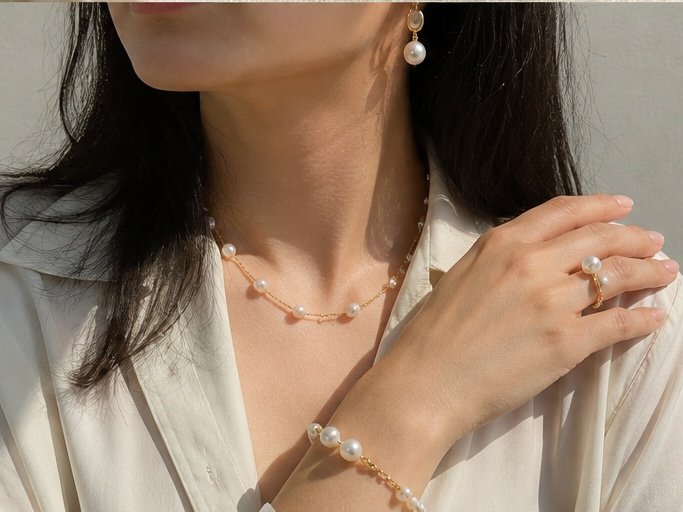
A small pair of pearl earrings can soften a casual outfit. A baroque pearl pendant can make a simple shirt feel more personal. A pearl ring can become a quiet reminder of confidence, self-love or a new beginning.
You do not need to save pearls only for weddings or formal occasions.
For more inspiration, read our guide on how to style pearl jewelry for everyday outfits.
Internal link: Link the phrase above to
Easy Ways to Style Pearl Jewelry: From Everyday Outfits to Meaningful Gifts
When deciding whether freshwater pearls are real, do not rely on price or perfect roundness alone. Check the material description, pearl size, natural surface details, seller policies, and product photographs together.
How to Buy Real Pearl Jewelry Online With Confidence
Before adding a pearl piece to your cart, use this simple checklist.
Confirm the Pearl Type
Look for the words “cultured freshwater pearls” rather than assuming every pearl-colored bead is genuine.
Check the Measurements
Review the pearl size, jewelry dimensions and model photographs whenever available.
Read the Metal Description
Make sure you understand whether the setting uses sterling silver, plated metal or another material.
Look Beyond Perfect Roundness
Consider luster, overall appearance, matching and design. Real beauty does not always mean machine-like perfection.
Review the Seller’s Policies
Read the shipping, return, quality and care information before paying.
Choose a Piece You Will Actually Wear
The best pearl jewelry is not necessarily the largest or most expensive. It is the piece that fits your wardrobe, lifestyle and personal meaning.
Our complete guide to buying pearl jewelry online can help you compare these details before choosing.
Internal link: Link “buying pearl jewelry online” to
Online Pearl Jewelry Selection and Care Guide
Choose Pearls With a Story You Can Believe In
So, are freshwater pearls real?
Yes. Cultured freshwater pearls are genuine pearls formed inside living mollusks. They should not be confused with plastic, glass or coated imitation beads.
The more important question is whether a seller explains what you are buying clearly.
Look for specific materials, realistic photographs, pearl measurements, natural-variation information, care guidance and understandable customer policies. Those details do more to build confidence than exaggerated claims of perfection.
At LumiSerene, we see pearls as symbols of resilience, confidence, comfort, self-love and new beginnings.
Each pearl develops through time and transformation—and no two stories are exactly the same.
Explore LumiSerene freshwater pearl jewelry and choose the piece that feels connected to your next chapter.
Frequently Asked Questions
Are freshwater pearls real pearls?
Yes. Cultured freshwater pearls are real pearls grown inside freshwater mollusks. Human intervention begins the cultivation process, but the mollusk forms the pearl and deposits the nacre.
Are cultured pearls considered fake?
No. Cultured pearls are not imitation pearls. Cultured pearls form inside living mollusks, while imitation pearls are manufactured from materials such as coated glass or plastic.
How can you tell if freshwater pearls are real?
Look at the depth of the luster, natural surface characteristics, slight differences between pearls, drill holes and the accuracy of the seller’s description. These details provide clues, but professional laboratory testing is the most reliable method when identification is important.
Do real pearls always have imperfections?
Most real pearls have at least minor natural surface characteristics, but some high-quality cultured pearls can appear very clean. Imperfections alone do not prove that a pearl is real.
Why are freshwater pearls less expensive?
Freshwater cultured pearls are produced in greater quantities and are more widely available than rare natural pearls and some saltwater pearl varieties. Their lower price does not mean they are fake.
Can genuine freshwater pearls be perfectly round?
Yes. Cultured freshwater pearls can be round or near-round, although highly round pearls are generally less common and may cost more than irregular or baroque shapes when other quality factors are equal.
Can real pearls peel?
Genuine pearls do not have the same type of painted coating commonly found on imitation beads, but their nacre can still become scratched, worn or damaged through improper care. Pearls should be kept away from harsh chemicals, perfume and prolonged moisture.
3 thoughts on “Are Freshwater Pearls Real? How to Tell Real Pearls from Imitations”